Showing posts with label location. Show all posts

Wednesday, July 18, 2012

When big-water salmon disappear

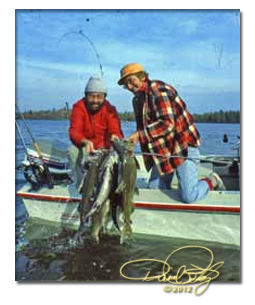
These two anglers with a big salmon catch. A great fishing day!
photo courtesy Dave Richey Outdoors ©2012

These two anglers with a big salmon catch. A great fishing day!

It seems to happen almost every summer. There comes a period of a week or so when the salmon fishing slows down or seems to stop altogether.

Who knows why it happens. That part is not as important as knowing that it will occur. The major question is when it will happen. Salmon fishing has been hot up and down Lake Michigan.

Obviously, on any given day, a person or boat filled with people can get skunked or have a very poor showing. That part never bothers me now because fishing is just one more of many reasons to get outdoors and breathe some fresh air.

If the fish bite, that’s great. If they don’t, there will be no sad looks on my face. It is what it is, and we may not have any control over these things. Let’s not whine about it.

Forget about it, already!

However, I look at such days as an opportunity knocking on my door. It’s a day that suddenly is freed up. It allows us to change our plans.

Perhaps, weather permitting, we can arrange a fishing trip on an inland lake or stream. There are countless lakes in the Traverse City area where I can go to fish for bass, bluegills, crappies, northern pike, sunfish, trout or walleyes … just to name a few game fish species.

So what if these fish may not be as big as a lake trout or salmon? It doesn’t make any difference as long as I can find something out there that will pull my string, and make my heart do a flip-flop or two.

Mind you, years ago I would have been devastated by not catching some great huge salmon. The froth would be running from my mouth like saliva from a rabid skunk.

I’d kick the tackle box two or three times just for good measure. The problem is that outdoor writers need action and photos to produce magazine stories. No photos, no story, and no money. It’s that simple.

No unemployment for me. I could work my butt off, but hard work was no guarantee the weather would cooperate or the fish would bite or deer would move. Go for a week or two with no money coming in, and it’s enough to make a gent like me a bit testy.  I lived this life style for many years before taking a steady paying newspaper job.

Well, guess what; I’m retired now

I have been for more than nine years, and my fishing attitude has changed. There are no hard and fast rules. If I don’t get tonight’s blog done tonight, I’ll do it tomorrow and back-date it.

There was other work to be done. I was putzing around with an old Shakespeare bait-casting reel and took it in to get it  to get repaired. It needed a new handle, and the repair guy had one. Quick-like, it was done!

There is more stuff around my house that needs attention, and it’s time to find a home for some of it. I joined the Outdoor Writers Association of America in 1968, and they began sending me monthly newsletters. The paper edition continued until two years ago when OWAA went digital, and she has 34 years of the bulletin. Multiply both numbers by 12, and it amounts to lots of paper and the loss of more than a few trees.

I’ve still got them but need some room so two large plastic tubs were bought and it took both of them to handle the load. Now, they are so heavy I must partially empty them to move them into a storage unit. That would be almost a one-day operation, and my back is sore from tugging the heavy tubs around.

Someone with more time on his hands once came up with the saying: If life deals you lemons, make lemonade. There’s some sort of logic there.

To paraphrase that: If life robs you of a fishing day, find something else to do. Clean a reel, sharpen hooks until your eyes cross, put new line on reels that need it changed, and try to clean up things.

I may be insulting it by calling it a work-bench

I have what some might call a work-bench. That gives me too much credit for working or for needing a bench to work at. However, I start looking for something that often is on my work-bench, and in the process of looking, other things get placed there.

Eventually, it would take a small back-hoe to move stuff off my work-bench. So, when the opportunity presents itself with bad fishing or hunting days, I clean it off and put most of the stuff where it belongs.

Sadly, I think my home is infested with gremlins with nothing better to do than make a mess of all of my old fishing and hunting gear. I put lures back into the proper tackle boxes, strip old line off reels, and prepare them to have line added some other day.

Can’t do all of this at one time. Do that too often, and the meaning of having stuff to clean up and put away will be lost. We must be orderly, and remember what my first-grade teacher tried to pound into the minds of his six-year old students.

“There is a place for everything,” he lectured, “ and everything should be in its place.” Kind of sweeps over you, doesn’t it?

It didn’t make much sense back then, and still doesn’t. Being a pack rat means I enjoy a certain amount of clutter. It gives me something to do on rainy or windy days, and this should be things that are far more important that putting up screens or storm windows.

A wise man knows where his priorities lie.

Tags: Dave Richey, Michigan, outdoors, big-water, fishing, clean, gear, location, salmon, fish, success, skunked, Lake Michigan, away

Posted via email from Dave Richey Outdoors

Thursday, April 12, 2012

Location is KEY

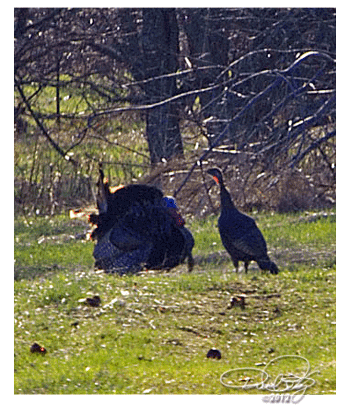
Big gobblers, like the left one, must be played carefully

Timing and Location play key roles in turkey hunting success
Big tom turkey's don't get old or big by being easily fooled. Timeing and location play key roles in turkey hunting success.
photo Dave Richey ©2012
There's an old real estate adage that almost everyone knows. The key thing to remember is  location, location, location. Where the land or home is located means almost everything.

This old saying also holds true for turkey hunters. Location means everything, and if a hunter is going to have any kind of success with a big gobbler, he must be in the right spot at the right time.

So far, I've talked to just two people with a first-season turkey tag, and neither man has found gobblers yet. Both cite high winds, rain and on again, off again cold weather and snow as various excuses.

We had some snow on the ground yesterday

One guy was looking for birds near home, and his brother was scouting a nearby area. My buddy checked where he'd seen a gobbler fly up to roost the night before, and estimated he was 150 yards away.

He waited for dawn, listened to the bird gobble once from the roost tree at about 6:30 a.m., and called twice, and that was all it took.

That bird might have come to him if he'd called, but the season is still about two weeks away," he said. "The bird flew down from the tree, and shut up."

His brother, who had not seen or heard a bird, and had traveled to what would be a new hunting location when their season opened. They walked into the area, sat down with their backs to adjacent trees, and began to listen for birds.

"I soon heard a bird that wasn't very far away," he said. "I listened to him for 40 minutes. He seemed to have a couple of hens and lesser gobblers with him. We sat still and never spooked the birds.

That's one way to play the pre-season scouting game

"At first we thought there was just one bird but it turned out to be two adult gobblers traveling together. Finally, one split away from the other, and came our way only to be spooked by a roaming coyote. Those birds should still be around when the next season opens."

Well, that just might be a bit of wishful thinking. All scouting does right now is show and tell you where the birds are today. They could be, and quite likely will be, two miles away when the season opens. The birds often do return to an area eventually if they are not badly spooked.
I've heard it mentioned many times by turkey hunters that they believe gobblers and hens may be spooking from decoys. If there is no wind, and the decoy doesn't move, the bird won't come in. Obvious, this isn't an across-the-board belief, but some birds seem definitely afraid of one or more decoys, and a scouting hunters should never put out decoys before the season opens.

More and more people are using decoys now than ever before. It stands to reason that some birds are spooked by the fakes.

Being in the right spot at the right time is crucial to success. I don't consider myself a great caller, but I know enough not to call too much once my season opens. Finesse the birds a little, don't call too loud so the bird gets spooky, and chances are good you can close the deal on a gobbler. The trick is to be patient, and don't call too loud or too often.

Years ago, my wife and I drew first-season hunting tags, and we got set up early, and she wanted to take her gobbler with a bow. I had her sitting inside a hunting coop. I had three decoys -- two hens and a jake -- positioned in front of her with the jake only 15 yards away.

I sat outside with my back to a big tree and waited for the first gobbler to sound off. A few crows called, and then he tuned up the volume and rattled the trees in that woodlot. I gave a soft tree yelp, and he gobbled again and again while I remained silent. It's part of the teasing process.

Here's a bit of good advice to try on a solitary gobbler

As a southern buddy used to tell me: "Tell 'em what you think they want to hear, but give them a pack of lies. Make your calls sound too good to be true, be patient and they may come."

Five minutes passed, and the longbeard gobbled again, and I gave a soft tree yelp, waited until he quit gobbling, slapped my pant legs a few quick times to simulate a bird flying down, and could hear that bird busting branches as he flew to the ground.

He gobbled again on the ground, came walking through the woods, walked within three feet of my boots and strutted out to whup on that jake decoy. I could hear him drumming and spitting, and he gobbled out a challenge to the jake decoy, and walked in to smack the fake bird around.

The gobbler offered Kay a good shot, and that was the end of that bird. It wasn't the largest gobbler she has killed, but doing it with a bow was a major accomplishment.

A year earlier, much the same thing played out as I called in a nice gobbler for her, and she took it with a shotgun. In fact, I've called in most of her gobblers over the past twenty years.

A person can be the best caller in the world, but if he is in the wrong spot, there will be no birds racing in his direction. Personally, I'd rather know where the bird is roosted, and be a mediocre caller, than to be in the wrong spot with championship calling skills on my side.

Location to a turkey hunter, as it is to a real estate agent, is the most important part of the hunting equation. It's what can put a tasty bird on a turkey platter this spring.

Just make certain your scouting efforts don't spook birds out of the area, and for Heaven's sake, be smart enough to leave your calls at home while scouting before the season opener. The birds don't need more of an education than they already have, and it pays to scout with binoculars or a spotting scope. Find the birds, drive away, and know where a few birds may be when your turkey season opens.

Friday, April 22, 2011

Location, Location, Location


A majestic gobbler lit up by the early sun. Shoot straight!


There's an old real estate adage. Everyone preaches ... Location, Location Location!  Where the land or home is located means almost everything.

This old saying also holds true for turkey hunters. Location means everything, and if a hunter is going to have any kind of success with a big gobbler, he must be in the right spot at the right time.

So far, I've talked to just two hunters with a first-season turkey tag, and neither man has found gobblers yet. Both cite high winds, rain and on-again, off-again cold weather and snow as excuses.

Hunting has been slow during the first turkey season. Blame it on the weather.


One was checking for birds near home, and his brother was hunting in a nearby area. My buddy checked where he'd seen a gobbler fly up to roost the night before, and estimated he was 150 yards away.

He waited for dawn, listened to the bird gobble once from the roost tree at about 6:30 a.m., and called twice, and that was all it took.
"That bird came to me, got to within 25 yards, and then turned and ran off," he said. "The bird flew down from the tree, came on a direct line to me, and then spooked as if frightened by my decoys."

I'm more inclined to think he was spooked by the presence of a hunter toodling on his turkey call. Guys who educate birds by calling outdoors before the season opens deserves to have all his calls taken away.

His brother, who had not seen or heard a bird, and had traveled to what would be a new hunting location when their season opened. They walked into the area, sat down with their backs to adjacent trees, and began to listen for birds.

"I soon heard a bird that didn't wasn't far away," he said. "I listened to him for 40 minutes. He seened to have a couple of hens and lesser gobblers with him. We sat still and never spooked the birds.

At first he thought there was just one bird but it turned out to be two adult gobblers traveling together. Finally, one split away from the other, and came our way only to be spooked vy a roaming coyote. Those birds should still be around when the next season opens."

Turkeys in some hunting areas may be spooked by decoys.


I've heard it mentioned many times by many hunters that they believe gobblers and hens may be spooking from decoys. If there is no wind, and the decoy doesn't move, the bird won't come in. Obvious, this isn't an across-the-board belief, but some birds seem definitely afraid of one or more decoys, and scouting hunters should never put out decoys before the season opens.

Being in the right spot at the right time is crucial to success. I don't consider myself a great caller, but I know enough not to call too much once my season opens. Finesse the birds a little, don't call too loud so the bird gets spooky, and chances are good you can close the deal on a gobbler. The trick is to be patient, and don't call too loud.

Years ago, my wife and I drew a first-season hunt, and we got set up early, and she wanted to take her gobbler with a bow. I had her sitting inside a hunting coop. I had three decoys -- two hens and a jake -- positioned in front of her with the jake only 15 yards away.

I sat outside with my back to a big tree and waited for the first gobbler to sound off. A few crows called, and then he tuned up the volumn and rattled the trees in that woodlot. I gave a soft tree yelp, and he gobbled again and again while I remained silent. It's part of the teasing process.

Five minutes passed, and he gobbled again, and I gave a soft tree yelp, waited until he quit gobbling, slapped my pant legs a few quick times to simulate a bird flying down, and could hear that bird busting branches as he flew to the ground.

Be patient while waiting for a gobbler to close the distance.


He gobbled again on the ground, came walking through the woods, walked within three feet of my boots and strutted out to whup on that jake decoy. I could hear him drumming and spitting, and he gobbled out a challenge to the jake decoy, and walked in to smack the fake bird around.

The gobbler offered Kay a good shot, and that was the end of that bird. It wasn't the largest gobbler she has killed, but doing it with a bow was a major accomplishment.

A year earlier, much the same thing played out as I called in a nice gobbler for her, and she took it with a shotgun. In fact, I've called in most of her gobblers over the past decade.

A person can be the best caller in the world, but if he is in the wrong spot, there will be no birds racing in his direction. Personally, I'd rather know where the bird is roosted, and be a mediocre caller, than to be in the wrong spot with championship calling skills on my side.

Location to a turkey hunter, as it is to a real estate agent, is the most important part of the hunting equation. It's what can put a tasty bird on a turkey platter this spring.

Just make certain your scouting efforts don't spook birds out of the area, and for Heaven's sake, be smart enough to leave the calls at home while scouting. The birds don't need more of an edge than they already have, and it pays to scout with binoculars or a spotting scope.

Find the birds, drive away, and know where a few birds are when your turkey season opens.