Showing posts with label body. Show all posts

Tuesday, February 28, 2012

Tune in on the does, and they will lead you to a buck

Small but smart bucks give way to the bully
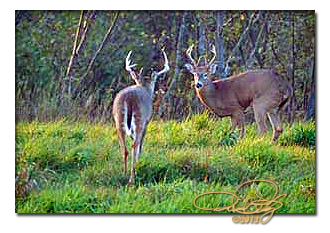
twobucks

The doe was acting a bit shaky last fall. She would stop, start, and move a bit, but from my elevated stand, my attention was riveted on the late-October whitetail doe.

Her actions were keeping me informed on where the buck was standing, out of sight. I couldn't see the antlered buck from my vantage point downwind of the doe and buck, but the antlerless deer was some kind of agitated. The buck was nearby, of that there was little question, and her sides were heaving from being chased.

The buck had apparently bird-dogged the doe across the field and through the woods, but this was the chasing stage, one of my favorite times to hunt. She was close to estrus, but she wasn't quite ready for breeding. But, chasing primes the pump, so to speak.

A panting does has been chased a long distance

The buck knew that, and there seems to be a direct correlation between the chasing phase and the beginning of the rut. Biologists feel a buck chasing the doe gets both animals  ready for the breeding period.

My bow was ready, and although I suspected a big buck was chasing this doe, I had yet to see the animal. The doe, by her actions, told me where the buck was, and whether he was standing still or moving.

She kept peering back into the heavy brush, and try as I may, the buck was impossible to see although there was no doubt in my mind that he was there. The doe was twitchy; moving, stopping, switching her tail, and turning to face the brush before turning and facing her body away from the buck but looking back over her shoulder.

She was sending body language signals to the buck, and he was moving slightly. Her ears would twitch up, swivel toward some sound unheard by me, and then the buck would apparently stop. I was beginning to think these two deer would carry on like this for hours.

In reality, as the sun headed toward the western horizon, the doe moved slightly toward the buck, and then wheeled and ran off 20 yards before stopping to look back. She was getting this old boy fired up, and her message apparently was getting through to him.

Her head movements pinpointed the buck’s location, and it took 10 minutes of probing the alder brush before my binoculars picked out the white bone of an antler tine. The buck was standing stock still, not moving, and contently letting the doe lead the show.

I knew this wouldn't last forever, and sooner or later the buck would make his move. The doe would let me know when that was about to happen.

Her ears perked up again, her head changed positions, and I knew the buck had moved again. The binoculars scanned the area where the buck had stood, and sure enough, he was gone. I followed the direction of her head, and after five minutes of looking, found the buck again.

Watch the doe and other bucks and she’ll lead you to the big boy

He was getting closer to the edge of cover, and by now, the sun had set. There was less than 30 minutes of shooting time left, and I knew he would soon take up the chase again. The big question was whether he would offer a shot or choose to circle the doe, and force her into running off with him in hot pursuit.

Ten minutes of shooting time remained when the action started. The doe whirled at the sound of his first tending grunt, and she cut a lick for the open field, running hard. The buck was patient, and he slowly moved toward the edge of cover on a wooded ridge, and watched her go. He knew he could track her down.

He had only to move 10 yards in my direction, and it would be possible for a shot. He moved half that distance, stopped, and my bow was up and ready. When he moved, he exploded from cover like a ruffed grouse taking wing, and was at an instant gallop.

He offered no opportunity for a shot, even though I was ready, and as he began moving, it was easy to tell he was a high and wide 10-point with good mass. He crashed off through the brush, and there is no doubt he caught and bred that doe that night.

The lesson behind this anecdote is to study does during the pre-rut and rut seasons. They can, by their head and body language, tell the hunter where the buck is and what he is doing.

Be patient and play the waiting game

There are many times when this leads to a shot, and there are times when luck is riding along with the buck. However, study this body language as often as possible, and learn more about hunting bucks. The does can teach hunters this very  important lesson, and bow hunters who don't spook does but study their actions will often take a nice buck.

You can bet on it.

Posted via email from Dave Richey Outdoors

Friday, April 01, 2011

Study a deer’s body language


Most people know this buck's body language. He's scent-trailing a doe.


Many years ago a book hit the market. It dealt with human body language. Some said that reading it would allow a man or woman to study the opposite sex's body language, and if everything clicked, good things could happen.

The study of body language is of benefit to certain people, and police are good at reading what a person is thinking when stopped for a traffic violation. Employers study the body language of a person being considered for a position with that firm.

Are they nervous, and is it caused by the interview or does it mean something else? People who refuse to look another in the eye seldom get the job because it's thought they are trying to hide something. A person who chatters often is very insecure.

Knowing how to read a deer's body language can mean increased success.


Body language plays another big role with people. Interviewers often stand while the person being interviewed sits, and this position provides greater leverage and an increased sense of superiority in the interviewer. However, the person being interviewed can figure this out pretty easily, and stand up to gain an equal or better leverage.

Sometimes knowing what the interviewer is trying to do, and beating them to the punch, can be an asset. It also can be detrimental in certain cases.

All of this having been said, it's been my practice for many years to study a deer's body language. Reading a deer can help hunters determine when to draw and shoot, and when to wait for a better chance. The clues are there in how the animall behaves.

A calmly feeding deer is at ease and is not suspicious. A deer that constantly looks around senses danger. A doe that stands with her head up, ears swiveling in all directions while sniffing the air, is on red alert. Young bucks follow the lead of a mature doe, and larger bucks often stay far enough behind the does to stay out of trouble.

Body language is easy to read. A doe moves slowly down a trail, and if she has been shot at or has detected human movement in a ground blind or tree stand, she will stop abruptly. Her and her fawns will lower their head, and snap it up to spot movement. if it is late October, and the rut is about to start, and she stops and checks out her back trail, it usually means a buck is trailing behind.

Little things can mean a lot when watching deer react to different stimuli.


Her body language tells you to sit still, don't move or make a sound. This assumes the hunter is downwind of the deer. If the deer can't smell you, and no noise or movement is heard or seen, it's likely the doe will get over her jitters and continue walking. Any buck will follow behind her. It means remaining silent and motionless.

A look from a buck toward another, a hesitation in a step, ears laid back, neck hairs that stand on end, a lowered head and antlers and a certain swaggering and threatening posture can tell hunters which animal is the boss buck of this crew.

Once the head goes down or turns with a hard gaze, smaller and subordinate bucks duck and move away. I've watched slow-thinking smaller bucks get antler tines stuck in their butt, and I've seen them still cowed, wary and limping 60 days later. Slow, dull-witted bucks often are physically injured by larger bucks, and some yearlings die. They learn quick from dominant bucks if they don't pay attention.

So, you ask, how can knowing a whitetail's body language help put venison in your freezer? It's relatively simple. Let's use the above examples.

A few examples of body language and what it means. There are others.


Once a doe decides there is no danger, and quits doing her head fakes, she moves on because she has detected no danger. The unseen buck that has been trailing her saw no movement, heard no sounds and couldn't smell any danger, so he walks down the deer trail past your stand and a quartering-away shot drops him.

A highly agitated deer will flick its tail back and forth while staring intently at a real or imagined threat. Often this tail movement precedes a sudden departure.

A quartet of whitetail bucks move along, and somewhat like young kids, they bump and jostle each other, act like their big brothers and get into mock antler-pushing contests. Hunters may not be interested in the year-and-a-half-old 4-pointers and 6-pointers, but has his eye on a big 8-point with a rack that extends past his ears.

Big bucks usually take casual interest in small bucks. They are more alert than naive basket racks, but if they pass close enough for a shot, and the buck stops, unless the hunter has made a big mistake, the buck may see another animal of comparable size. In every buck of any size, there exists the need to display their dominance. It is what leads to epic battles than can cause the death of another buck during the rut.

Watch that big buck's ears. If they are up and twisting right and left, he is listening to some distant and unheard sound. However, if his ears go back and the neck hairs rise, it usually means another big buck is nearby.

It now becomes a serious decision time. Shoot the buck within range or wait to see if an even larger buck is in the area. If it is the latter, the larger buck may approach for a closer shot or may turn and head the other way as he shags a doe.

The study of deer behavior is a continuous work in progress. It begins when fawns are little, and a doe never seems to lose their innate fear of everything. Studying that fear, and the cautiousness of a big buck or the easy-going attitude of young bucks, can help hunters find a chink in the armor of whitetail deer.

Know what the body language tells you, and use those weaknesses to your advantage. Sometimes killing a buck is nothing more than reading their body language, which in many cases, will tell hunters what they can expect next from the deer.

Thursday, October 28, 2010

Study the does & shoot a rutting buck


The doe was acting a bit shaky last fall. She would stop, start, and move a bit, but from my elevated stand, my attention was riveted on the late-October whitetail doe.

Her actions were keeping me informed on where the buck was standing, out of sight. I couldn't see the antlered buck from my vantage point downwind of the doe and buck, but the antlerless deer was some agitated. The buck was nearby, of that there was little question, and her sides were heaving from being chased.

The buck had apparently bird-dogged the doe across the field and through the woods, but this was the chasing stage, one of my favorite times to hunt. She was close to estrus, but she wasn't quite ready for breeding. It primes the pump, so to speak.

Panting does have been chased a long distance.

The buck knew that, and there seems to be a direct correlation between the chasing phase and the beginning of the rut. Biologists feel a buck chasing the doe gets both animals  ready for the breeding period.

My bow was ready, and although I suspected a big buck was chasing this doe, I had yet to see the animal. The doe, by her actions, told me where the buck was, and whether he was standing still or moving.

She kept peering back into the heavy brush, and try as I may, the buck was impossible to see although there was no doubt in my mind that he wasn't there. The doe was twitchy; moving, stopping, switching her tail, and turning to face the brush before turning and facing her body away from the buck but looking back over her shoulder.

She was sending body language signals to the buck, and he was moving slightly. Her ears would twitch up, swivel toward some sound unheard by me, and then the buck would apparently stop. I was beginning to think these two deer would carry on like this for hours.

In reality, as the sun headed toward the western horizon, the doe moved slightly toward the buck, and then wheeled and ran off 20 yards before stopping to look back. She was getting this old boy fired up, and her message apparently was getting through to him.

Her head movements pinpointed the buck’s location, and it took 10 minutes of probing the alder brush before my binoculars picked out the white bone of an antler tine. The buck was standing stock still, not moving, and contently letting the doe lead the show.

I knew this wouldn't last forever, and sooner or later the buck would make his move. The doe would let me know when that was about to happen.

Her ears perked up again, her head changed positions, and I knew the buck had moved again. The binoculars scanned the area where the buck had stood, and sure enough, he was gone. I followed the direction of her head, and after five minutes of looking, found the buck again.

Watch the doe & she’ll lead you to the buck.

He was getting closer to the edge of cover, and by now, the sun had set. There was less than 30 minutes of shooting time left, and I knew he would soon take up the chase again. The big question was whether he would offer a shot or choose to circle the doe, and force her into running off with him in hot pursuit.

Ten minutes of shooting time remained when the action started. The doe whirled at the sound of his first tending grunt, and she cut a lick for the open field, running hard. The buck was patient, and he slowly moved toward the edge of cover on a wooded ridge, and watched her go. He knew he could track her down.

He had only to move 10 yards in my direction, and it would be possible for a shot. He moved half that distance, stopped, and my bow was up and ready. When he moved, he exploded from cover like a ruffed grouse taking wing, and was at an instant gallop.

He offered me no opportunity for a shot, even though I was ready, and as he began moving, it was easy to tell he was a high and wide 10-point with good mass. He crashed off through the brush, and there is no doubt that he caught and bred that doe that night.

The lesson behind this anecdote is to study does during the pre-rut and rut seasons. They can, by their head and body language, tell the hunter where the buck is and what he is doing.

Be patient & play the waiting game.

There are many times when this leads to a shot, and there are times when luck is riding along with the buck. However, study this body language as often as possible, and learn more about hunting bucks. The does can teach hunters this important lesson, and bow hunters who don't spook does but study their actions will often take a nice buck.

You can bet on it.

Posted via email from Dave Richey Outdoors