Showing posts with label concentration. Show all posts

Monday, August 27, 2012

Thinking and being alert to deer is easy

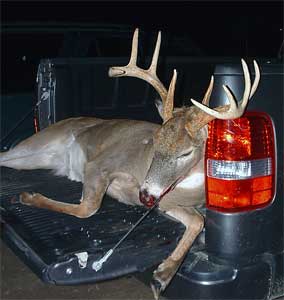
DRO-big bucks
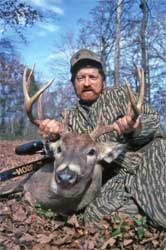
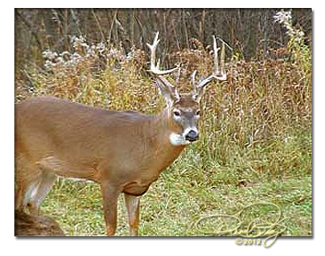
This buck has a larger rack than you think; Count the points
photo c.  Dave Richey Outdoors
My mind seemingly has tunnel vision. The only two things i seem focus intently on while bow hunting is studying deer, which really doesn’t make me all bad. I could care less about ball parks, Nascar races, or tournament golf.

Whitetails excite me; almost everything else is far less interesting, and certainly a lot less fun.

People question how I can only think about these two items most of the time. It must be easy because both passions have consumed my thoughts for more than 50 years.

Both thoughts are of equal importance, and without my intense study, there would be less hunting success. A number of years ago, I was asked a question at a bow-hunting seminar I was giving.

Another seminar attendee asked if the only thing I thought about was writing. I gave the man a straight answer.

It's a wise hunter who can act and think at the same time


"Writing is what I do," I said. "It's how I make a living, and to do my job properly, I'm always thinking about the next story. It has to be what I think about on a daily basis. I'd be dead in the water without the next story idea. The same thing applies when I bow hunt for whitetails."

My answer is based on these reasons. For me, hunting whitetails with a bow, and studying the animals at every opportunity, is what I do. To stop studying deer is to stop learning about whitetail deer. To stop learning means less opportunities and decreased success.

When I hunt, I become totally focused and immersed in my surroundings, and what the deer are doing. I never lose my concentration on deer, but I continue to focus and watch other deer. I can solve all kinds of deer hunting problems while sitting in my ground blind or in an elevated coop or tree stand.

Stay focused on your surroundings and remain alert


When working, my thoughts are always on deer hunting or trying to figure out why a particular deer did what it did the night before. Most people forget yesterday's hunt but not me.

Some people find it hard to think about two things at once or have trouble chewing gum and walking. That often happens when deer hunting: I'll be trying to solve a knotty little deer travel pattern problem, and a nice buck will walk out. My reflexes take over, and I can shoot that buck while shifting mental gears, and then I will shift back to solving other problems after shooting the deer or passing up a shot.
Solving any bow-hunting problem is always easier while bow hunting. Any hunting area always has some natural noises, but out there, the phone doesn't ring to distract me.

Years ago I learned that many of my award-winning articles and columns came to me while sleeping. One part of my brain kicked into gear, and I would wake up, slip out of bed, head for my office and write it while the idea was still fresh in my mind.

The same thing happens while bow hunting. A problem may bother me for weeks, and then one night while sound asleep, the answer wakes me up faster than a face slap with an ice-cold wash cloth. I suspect that being asleep allows the subconscious to kick in, provide the needed answer, and usually the answer is so simple I wonder why it didn't come to me much sooner.

Hunting and thinking is just as easy as walking and talking


I'm able to study deer, think about various deer patterning problems, and be ready and able to shift gears automatically, and shoot the buck. It's what I've trained my body and mind to do, and anyone else can do it providing they've learned the basic fundamentals of drawing and properly aiming a bow and making a smooth release. Do those things long enough, and do them properly, and it becomes simple.

This sort of thing often happens while I'm hunting. When my two main thoughts meld while aiming at a big buck, it is one of the most memorable events of my life.

Tuesday, September 06, 2011

Maintain a tight focus while deer hunting


Harold Knight & Rob Keck (l-r) are both as good with bucks as wild gobblers.


My mind seemingly has tunnel vision. The only two things I seem to focus intently on now - and later - is bow hunting and studying deer.

It  doesn't make me all bad. I could care less about ball parks, Nascar races, or tournament golf. Whitetails excite me; almost everything else is far less interesting.

People question how I can only think about these two items most of the time. It must be easy because both passions have consumed my actions and thoughts for more than 60 years.

Both thoughts are of equal importance, and without the study, there would be less success at hunting. A number of years ago, I was asked a question, regarding this very thing, while waiting to get a new string put on my bow.

Another patron recognized me and asked if the only thing I thought about was writing. I gave him a straight answer.

"Writing is what I do," I said. "It's how I make a living, and to do my job properly, I'm always thinking about the next story. It has to be what I think about on a daily basis. I'd be dead in the water without new story ideas all the time."

My answer was based on the reasons I give people. For me, hunting whitetails with a bow, and studying the animals at every opportunity, is what I do. To stop studying them is to stop learning about whitetail deer. To stop learning means less success and eventually an end to spending the entire autumn and early winter doing something I love much less than being in the deer woods.

When I hunt, I become totally focused on my surroundings, and what the deer are doing. I never lose my concentration on the deer, but I continue to focus and watch other deer. I can solve all kinds of deer hunting problems while sitting in my ground blind or in an elevated coop or tree stand.
When working, my thoughts are always on deer hunting or trying to figure out why a particular deer did what it did the night before.

Some people find it hard to think about two things at once or have trouble chewing gum and walking. That often happens when deer hunting: I'll be trying to solve a knotty little deer travel pattern problem, and a nice buck walks out. My reflexes take over, and I can shoot the buck while shifting gears, and then I will shift back to the mental problem.

It’s easy but I’ve been doing it for many years.


Solving any problem is always easier while bow hunting. Any hunting area always has some natural noises, but out there, the phone doesn't ring unless I take the cell phone with me. I often manage to leave the silly thing home, and I’m content with that. Phones interfere with my mental attitude and hunting thoughts.

Years ago many of my award-winning articles and columns came to mind while asleep. One part of my brain would kick in, I would wake up, slip out of bed, head for the computer and write while the idea was fresh in my mind. I’d then go back to bed, and sleep like a baby.

The same thing can happen while deer hunting. A problem might bother me for weeks, and then one night while sound asleep, an answer to the problem would wake me up. I suspect that being asleep allows the subconscious to kick in, provide the needed answer, and usually it was so simple I wondered why it didn't come to me sooner.

I'm able to study deer, think about various deer patterning problems, and be ready and able to shift gears automatically, and shoot the buck. It's what I've trained my body and mind to do, and anyone else can do it providing they've learned the basic fundamentals of drawing and properly aiming a bow and making a smooth release. Do those things long enough, and do them properly, and it really becomes quite simple.

This sort of thing often happens while I'm hunting. When my two main thoughts meld while aiming at a big buck, it is one of the easiest things to do to shoot a nice buck.

That’s what focus does for a hunter. Without complete focus, hunters can and will make mistakes. Doing so on a big buck will either cure you of a bad habit or you’ll take up watching television.

Wednesday, April 27, 2011

Stay focused


Taking a big buck like this one shot by David Hale is a matter of staying focused


Shooting a whitetail buck is easy. Actually, the more deer a hunter shoots with a bow, the easier and more focused the hunter becomes.
People ask what my secret to shooting is. One of these days I may write a book and share all of my secrets, but maintaining our focus from beginning to end of the shooting process is a major item and there is no way to shortcut this process.
It must be stated that being very familiar with the bow, and knowing where the arrow will hit on each and every shot, is a must. People who have no clue where the arrow will hit will not be very proficient.

Focus on total concentration and making arrow contact with the proper location


Hunters who have the ability to concentrate are the ones who make wise decisions, don't get overly excited, have the ability to stay focused and not lose their cool, and they end up making a good shot.

Practice at shooting from various angles and heights will help. Shooting often enough to make a smooth and easy draw and releasae is important, and it's of the utmost importance to maintain a constant anchor point. Allow your anchor point to creep forward while aiming will not lead to consistent arrow placement.

Focus on just one point on the deer. Don't focus on the entire deer. Once you decide the buck has antlers, and they are what you want, forget about the bone growing out of the buck's head. If your mind stays focused on the antlers, the chances of hitting the deer in the antlers is not very good.
Forget about the antlers. Instead, watch the deer closely and be prepared to draw, aim and shoot on a moments notice. Wait for the deer to turn and offer a high-percentage shot. I've lectured on this many times, and it continues to bear repeating: wait for a high-percentage shot. Don't take a marginal or low-percentage shot.

Wait, and when the buck turns to offer the ideal shot, begin the draw. Make it smooth, and concentrate on nothing else but where the arrow must go to kill the deer.

A smooth draw, and arrow release, is the result to staying focused at all times


I tell people to pick a precise spot. Behind the front shoulder is the standard advice people give other hunters. That is fine, up to a point, but concentrate on a precise spot. If your vision is keen, pick out a specific hair and aim to hit that hair at the right point behind the shoulder. Good things will happen when you do it right.

People must guard against losing their focus. They get to thinking so much about the fact that here is a deer, a buck with fine antlers and it is standing in front of them, they go through the motions of aiming at the proper spot to kill that deer, but they loose focus. If they are not careful, it's very possible that the arrow could hit several inches from where they want it to go. Go after that precise spot like that deer owes you money and the only way to collect is to shoot the animal.

We've all seen these sorry situations. A hunter shoots a deer, and when asked where it hit the animal, they almost always say in the heart or lungs. It's where they think they were aiming, but upon recovery after a lengthy trailing job, they find the deer.

It was hit through the intestines, and may have traveled a mile before succumbing. The reason for the arrow hit in that location was because the hunter lost his focus.

Like all things, accurately shooting a bow is a matter of total concentration


This is some pretty heady stuff, this shooting of deer, and the great anticipation, adrenaline rush, the heavy breathing, the jerk-back-and-shoot philosophy often takes over, and the buck is wounded. The hunter can't understand why it was hit there when they were aiming right behind the front shoulder.

Somewhere between the bow being drawn, and the shot being taken, the hunter forgot what he was doing. A lack of total concentration and focus make it nearly impossible to accurately place an arrow.

Some hunters, on thinking back on the shot, were thinking of the bragging rights they would have over their hunting buddies. Some were already viewing the mounted rack on their den wall. They went into the hunt with everything in their favor, and came away from the hunt knowing full well they messed up a golden opportunity.

Concentration is a so critical to success. I can tell you what to do, but I can't crawl inside your skin and make you do it right. This is where self-training becomes so important, and only you can do that.

Focus, concentrate on maintaining your focus, and with luck and a newly acquired skill, when that shot comes this fall, you will be willing and able to do it right.

Friday, March 04, 2011

Avoid tunnel vision


This is a perfect quartering-away shot. Aim to put the arrow into the off-side shoulder. Hold halfway between belly and back.


Tunnel vision occurs when a person is in a high-stress situation. The buck is approaching, and ever so slowly it moves your way and you want to shoot that buck. You have a strong desire to take the animal with a clean shot.

It stops, rubs a tree briefly with its antlers, then stands back to admire his handiwork, hits another lick on the bark, checks it out again, and continues your way. He stops, and can't smell you or any danger, but he is in no rush.

The anxiety level builds after the third or fourth stop to putter around doing big-buck things, and then he moved forward again. He is now 50 yards away and will soon have a date with destiny. Your breath is labored and ragged, and you feel a bit light headed as your heart thunders in your ears and chest.

Total concentration is needed to shoot a big buck.


His antlers are big, possibly the largest whitetail buck you've seen in the wild. He stands, out of bow range, and surveys the area. He doesn't smell or see any danger, but he didn't grow a rack with 10 good long points and a 20-inch inside spread by being dumb.

He stands, motionless, head up and looking around. He's not spooky, just careful.

Satisfied, he moves to within 40 yards. The rack seems to grow even larger the closer he gets. Now you are sucking air, and begging for a 20-yard broadside side. The thought of shooting this buck makes you dizzy with excitement, and your heart is racing.

A full load of adrenalin is streaming through your system, and the buck closes to 35 yards and then to 30, where he stands behind a thin screen of brush. Jolt after jolt of adrenalin has you as wired as drinking 10 cans of Mountain Dew.

He offers a brief 25-yard shot but your eyes are riveted on that rack, and you don't want to make a mistake. He's coming, just let him move into the 20-yard range and then wait for a broadside or quartering-away shot at this huge buck.

It’s an easy shot, you think. It’s time to refine your aiming point.


Finally, he steps into range, turns to offer a quartering-away shot at 20 yards. The buck stares off toward other deer 100 yards away in the field, and you raise your bow, stare at the antlers again, come to full draw, aim and turn loose an arrow.

There is a large whack noise, and the buck races off while the arrow and broadhead sail off into the brush. Excited, knowing you made a killing shot, you climb down and follow the Game Tracker string to the arrow. There isn't a drop of blood anywhere on the arrow and none on the ground.
Tunnel vision had set in and when the hunter aimed and shot. He aimed at the major focal point on that buck -- the antlers. He forgot to force himself to pick a spot behind the front shoulder. His continuous focus on the buck and his majestic rack was his undoing because that is where he aimed.

Total concentration is paramount during the aiming process. Once I know a buck has antlers, and decide to shoot him, I never look at the antlers again. I focus on the heart-lung area, shoot and the deer dies.

Take time to relive your shot. Study it, and learn what went wrong.


A buddy of mine went on a wild boar hunt down to Tennessee, and I warned him against studying the length of the boar's tushes. These big curved teeth are fascinating, and my friend looked at the tusks, aimed and hit the boar in the top of the head. It wasn't an immediate killing shot. Realizing his mistake, he shot at the heart-lung area. The boar died a quick death.

Tunnel vision doesn't just happen to police officers in a fire-fight with some criminal. It happens to hunters all the time, and most often to sportsmen with very little hunting experience.

It can ruin a hunt, but there is no need for it. The trick is to determine whether the buck has antlers, and if it is what you want. Once that has been determined, forget about them, and intently focus on the vital area.

Once you draw back the arrow, and aim, do not look at the antlers. Pick a tiny spot, concentrate on that spot, make a smooth release, and do not drop your bow until the arrow makes contact with the deer.

Big bucks come often to the television hunters, but for most bow hunters like you and me, it can be a once-in-a-lifetime deal. The timing is too important to waste time missing an easy shot.

Concentration, and not tunnel vision, is the key to hunting success.

Tuesday, August 10, 2010

Bow hunting: Mental or physical?


It often occurs to me that hunting is more mental than physical. Granted, we walk into the woods, climb into a tree stand, and if a nice deer walks by and stands in the best possible spot, we draw and shoot.

If our aim is on, and we don't miss, we track down the animal. It is field-dressed, loaded into the bed of a pickup truck, and hung up to chill out. That's the physical part, and dragging the buck out is the most strenuous portion of the hunt.

Ah, but the mental aspects of a archery deer hunt is a much different story. My claim is that a hunt is more mental than physical. How so?

Think about it. Hunting is much more mehtnal. Read on!

My belief is that almost everything about a hunt is mental. We must determine where to go, when to hunt, and which tree is the best one to use under present conditions. We must consider the wind, and wonder if our clothing is really scent-free or not.

Long before we climb into a tree stand, we've had to mentally decide how much draw weight is comfortable for us. We must choose from a wide range of bows, make the decision to shoot aluminum or carbon arrows, and we must think constantly about how to set up on that big buck we've seen several times while preseason scouting. Our choice of broadheads to use can tax our brain as we consider various brands.

We've defined our hunting area, climbed into position, and then must consider where we can and cannot shoot. It's a mental and slightly physical effort to scan the area for unseen twigs that could deflect an arrow, and should the buck show up, we must mentally calculate when to draw, aim and release the arrow.

We must mentally calculate the distance, decide whether this is a dead-on shot, or whether to allow the buck to pass while hoping for another chance on another day.

There are so many things to think about when hunting.

We must mentally prepare ourselves for a long or short wait. Only our mind can allow us to believe that the branch stub poking at our left hip really doesn't hurt. We must always be aware of what the wind is doing, and a wind shift, no matter how subtle, can spook a buck if he catches any scent.

The mental gymnastics increase when a buck shows up, because as likely as not, there will be a doe and fawn(s) nearby. We must mentally condition ourselves to watch all nearby deer, and not just the buck.

It makes little sense to do everything right up until the time comes to take a shot. If we forget about watching not only the buck but the other nearby deer, the chances are excellent that one of the other animals will spot the movement made while drawing a bow. If that happens, the game is up.

We must mentally calculate angles caused by shooting toward the ground from an elevated position. Once our mind computes the angle and distance, we must then focus on the precise point of impact where we want the arrow to hit. It's all mental except drawing the bow.

Drawing on a deer is both mental and physical, and the mental picture of locking in on the heart-lung area forces us to see that spot whether we shoot instinctively, with sights or a red-dot sight. Our mind must translate what our eyes see, and relay that information to our hands and eyes, and allow us to properly aim and concentrate on that precise spot.

Do you see the point? Physical is only walking in & dragging out a deer.

Our mental image of the deer in the right position, at a known distance and angle, must be maintained even if the animal moves. We must calculate any changes that must be made, and be ever alert to the one deadly enemy of shooting arrows: we must mentally concentrate on not lifting our head as we make the release.

To do so causes the arrow to go high, and it can result in a missed shot, or even worse, a wounded deer.

Mental concentration must be maintained until we see the arrow hit the deer, and then another mental exercise comes into play. Our mind must tell us exactly where the arrow hit the animal, and our mind must prevent us from saying it was a heart shot when in fact the deer was hit in the lower leg.

Hunting is much more mental than physical although few hunters ever see it that way. For many, it is idle time spent waiting for a shot. The true deer hunter knows better.

Success or failure is in your head. It's wise to think about this issue long before a shot is taken.

Posted via email from Dave Richey Outdoors

Sunday, November 08, 2009

Tunnel Vision Can Ruin A Deer Hunt

Tunnel vision occurs when a person is in a high-stress situation. It can happen often while deer hunting.

A big buck is seen approaching, and ever so slowly it moves closer, and after watching it for moments, the hunter decides he want to shoot that deer. There is a very strong desire to take that animal, and tie his license tag on its antlers. It's the great American deer hunting dream.

The deer  stops, rubs a tree briefly, stands back to admire his handiwork, hits another lick on the bark, checks it out again, and then continues toward you. He stops, and can't smell the sportsman downwind of him or any danger, but he is in no hurry. He is being very cautious.

Anxiety can be your downfall. Fight it.

The anxiety level builds in the hunter after the third or fourth stop for the deer to putter around doing big-buck things, and then he moves forward again. He is now 50 yards away and will soon have his date with destiny if he stays the course. Your breath is labored and ragged, and you feel a bit light headed from anticipation, adrenalin shock and stress.

His antlers are big, possibly the largest whitetail buck the sportsman has ever seen in the wild. He stands, out of bow range, and surveys the area ahead. He doesn't smell or see any danger, but he didn't grow a rack with 10 good long points and a 20-inch inside spread by being stupid.

He stands, motionless, head up and looking around. He's not overly spooky, just being very careful.

Satisfied, he moves to within 40 yards. The rack seems to grow even larger the closer he gets. The hunter is sucking air, and begging silently for a 20-yard shot. The thought of shooting this buck makes him dizzy with excitement, and his heart is racing, beating like a trip-hammer.

Adrenalin rushes cause problems.

A full load of adrenalin is streaming through his system, and as the buck closes to 35 yards and then to 30, he stands behind a thin screen of brush. Jolt after jolt of adrenalin has the hunter as wired as a person drinking 10 cans of Ya-Hoo.

He offers a brief 25-yard shot but your eyes are riveted on that rack, and you don't want to make a mistake. He's coming, just let him move into the 20-yard range and wait for a broadside or quartering-away shot at this huge buck.

Finally, he steps into range, turns to offer a quartering-away shot at 20 yards. The buck stares off toward other deer 100 yards away in the field, and you slowly raise your bow, stare at the antlers again, come to full draw, aim carefully and turn loose an arrow.

The moment of truth.

There is a tremendous "twhack", and the buck races off while the arrow and broadhead sail off into the brush.

Excited, feeling you made a killing shot, you climb down and follow the Game Tracker string to the arrow. There isn't a drop of blood on the arrow.

Tunnel vision had set in and when the hunter aimed and shot, he aimed at the major focal point on that buck -- the antlers. He forgot to force himself to pick a spot behind the front shoulder. His continuous focus on the buck and his majestic rack was his undoing, and that is where he aimed, nullifying any chance of killing that deer.

Total concentration is paramount during the aiming process. Once I know a buck has antlers, and decide to shoot, I never look at the antlers again. I focus on the heart-lung area, shoot and the deer dies.

A buddy of mine went on a wild boar hunt to Tennessee with me many years ago, and I warned him against studying the length of the boar's tushes.

These big curved teeth are fascinating, and my friend looked at the teeth, aimed and hit the boar in the top of the head. It wasn't an immediate killing shot, and I hollered to him to "shoot for the heart-lung area." He did, and the boar died a quick death.

Tunnel vision doesn't just happen to police officers in a fire-fight with the bad guys. It happens to hunters all the time, and most often to sportsmen with very little hunting experience. Believe it or not, it can happen with firearm hunters during the upcoming Nov. 15-30 season.

It can ruin a bow or firearm hunt, but there is no reason for that to happen. The trick is to determine whether it has antlers, and if so, is it what you want? Once that has been confirmed, forget about the head gear, and intently focus on the vital area.

Don't let tunnel vision ruin your shot.

Once you draw back an arrow and aim, or look through a firearm's scope or iron signts, do not look at the antlers again. Pick a tiny spot behind the front shoulder, concentrate on that spot, make a smooth release or trigger squeeze, and do not drop your bow or rifle hand until the arrow or bullet makes contact with the deer.

Big bucks come often to the television hunters, who never seem to miss, but for most bow or firearm hunters like you and me, it can be a once-in-a-lifetime situation. The timing is too important to waste by missing an easy shot. Deep concentration, and not tunnel vision, is the key to hunting success.