Showing posts with label slow. Show all posts

Monday, June 04, 2012

Big buck but no shot

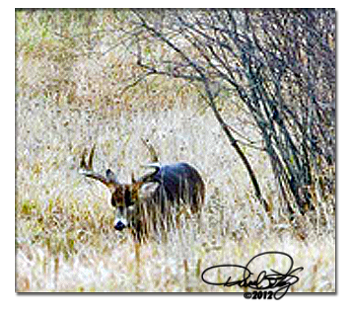
big buck
Big bucks require more patience than many hunters think
The big buck appeared like a ghost from a bad dream. One minute there was nothing nearby, and the next found me looking at a 150-class whitetail buck.

This was three years ago, and he was 75 yards away, moving in my general direction through the fringe of a swampy wooded area. He moved slowly and cautiously, the way big bucks do once they've been shot at.

This big boy was an old buck, and I saw him once the year before but such thoughts often leave something to the imagination. My guess was he was 5 1/2 years old, and had survived this long by being smarter than the average buck and the average bow hunter.


OK, so it’s almost summer; I still relive some of my big-buck dreams


He tested the wind constantly, stood for long minutes checking things out before committing to a move, and I knew where he was heading. A nearby corn field had been half picked, and the owner hoped to get all of the field harvested before the predicted weekend rain fell.

The buck nosed the ground, following the track made by an unseen deer for 10 yards before turning back on his course toward the corn. At this pace, it would reach the dinner table just after dark.

The question was whether he would reach me or pass out of range through marsh grass and scrub brush before shooting time ended. A doe came squirting out of the marsh grass, moving away from the buck. The rut was in full-drive; she was nervous; but he didn't pursue her.

His intentions seemed quite clear: reach the corn field right at dark, feed, terrorize the younger bucks and young does, and be back bedded down before daylight broke across the land.

He kept coming, and was soon 60 yards away.  I've shot many bucks over the years, but this one was too grand an animal to try such an unwarranted shot in fairly thick cover. I never shoot at a buck that I'm not 100 percent confident of killing.

My bow was in my hand, and this was the largest buck I'd seen lately, but he would either come close enough for a slam-dunk easy shot or he'd continue on about his business out of bow range.

He eventually reached the edge of thick cover, and would move through more open upland woods ... if he stayed his course. He would move out of the heavy cover and into the open, and then duck back in the cover, zigzagging ever closer to me.

He minced along like he had sore feet, and stopped every few steps. He was now 35 yards away, but still in heavy cover when his heavy white antlers could be seen. In fact, it was one glimpse of white antlers going up and down as he rubbed a tree that first caught my attention.


Patience, it’s been preached, is one key to autumn success


The wind was swinging a bit from north to northwest, and then he turned and seemed to move closer toward me. That turned out to be an illusion as he walked around a wind-toppled tree.

My watch showed there was  but 10 minutes of shooting time left, and he was now at 30 yards but still five yards inside thick cover. The suspense continued to build with each step he took, and the big question was whether he would start sliding toward the more open part of the funnel or stay back where it was thick.

I'd shot a number of bucks from this spot, and all of them had walked into the thin part of the cover. One spot offered a 20-yard open shot but he was still 25 yards from it.

The clock was ticking, and even though I've shot bucks at this distance over many years, each one is a new adventure. Honestly, the wait is an adrenaline-filled rush. He stepped forward, almost to the edge of the thin cover, and I'm glancing at my watch.

There was five minutes left, and two more steps would put him into the natural opening where I'd have an easy broadside shot. He put his head down, rocked on his feet, but didn't move forward.

My bow was up, and I was ready to draw, but still he stood, rooted in one spot. And he was still standing there, two steps from a clean shot, when shooting time ran out.

He was so close, and yet so far away, and he stood there for 10 more minutes before moving on toward the corn field. It was a wonderful hunt, filled with heart-pounding excitement right up until the end, and after he moved off, I headed home.

Knowing that buck is there was important. I never shot him, but I never heard that anyone did shoot him. I will hunt him again. He is too big to ignore but one wonders. Bucks in this area are like circuit-riding preachers from the Old West, and there is always the troubling thought of never seeing him again.


We never know when a big buck will appear but we must be ready


Time will tell. If I never see him again, I'll feel blessed to have seen him once on one snowy November day. And sometimes, as hunters, we must be content with these little teases.

Now, it's important to wait for the next one. And that, my friends, is one big reason why hunting big bucks is fun. We don't always connect, but to have these experiences tells us we're doing something right. Now I must reposition a tree stand a bit closer to the heavy cover in hopes the deer decides to move just a bit earlier.

One can always hope.

Friday, November 18, 2011

Big buck but no shot

Big bucks often catch a break 
by veering away from a hunter.


The big buck appeared like a ghost from a bad dream. One minute there was nothing nearby, and the next found me looking at a 140-class whitetail buck.

He was 75 yards away, moving in my general direction through the fringe of a swampy wooded area. He moved slowly and cautiously, the way big bucks do once they've been shot at.

This big boy was an old buck, and I saw him once the year before but such thoughts often leave something to the imagination. My guess was that he was 5 1/2 years old, and had survived this long by being smarter than the average buck.

Instincts play a major role in keeping big bucks safe.


He tested the wind constantly, stood for long minutes checking things out before committing to a move, and I knew where he was heading. A nearby corn field had been half picked, and the owner hoped to get all of the field harvested before the predicted weekend rain fell.

The buck nosed the ground, following the track made by an unseen deer for 10 yards before turning back on his course toward the corn. At this pace, it would reach the dinner table just after dark.

The question was whether he would reach me or pass out of range through marsh grass and scrub brush before shooting time ended. A doe came squirting out of the marsh grass, moving away from the buck. The rut was in full-drive, but she was nervous but he didn't pursue her.
His intentions seemed quite clear: reach the corn field right at dark, feed, terrorize the younger bucks and young does, and be back bedded down before daylight broke across the land.

He kept coming, and was soon 60 yards away. I've shot many bucks over the years, but this one was too grand an animal to try such an unwarranted shot in fairly thick cover. I never shoot at a buck that I'm not 100 percent confident of killing.

My bow was in my hand, and this was the largest buck I'd seen lately, but he would either come close enough for a slam-dunk easy shot or he'd continue on about his business.

He eventually reached the edge of thick cover, and would move through more open upland woods ... if he stayed his course. He would move out of the heavy cover and into the open, and then duck back in the cover, zigzagging ever closer to me.

He minced along like he had sore feet, and stopped every few steps. He was now 35 yards away, but still in heavy cover when his heavy white antlers could be seen. In fact, it was one glimpse of white antlers going up and down as he rubbed a tree that first caught my attention.

The wind was swinging a bit from north to northwest, and then he turned and seemed to move closer toward me. That turned out to be an illusion as he walked around a wind-toppled tree.

Sometimes bucks offer shots but are too far away. I don't take them.


My watch showed there was but 10 minutes of shooting time left, and he was now at 30 yards but still five yards inside thick cover. The suspense continued to build with each step he took, and the big question was whether he would start sliding toward the more open part of the funnel or stay back where it was thick.

I'd shot a number of bucks from this spot before, and all of them had walked into the thin part of the cover. One spot offered a 20-yard open shot but he was still 25 yards from it.

The clock was ticking, and even though I've shot bucks at this distance over many years, each one is a new adventure. Honestly, the wait is an adrenalin-filled rush. He stepped forward, almost to the edge of the thin cover, and I'm glancing at my watch.

There was five minutes left, and two more steps would put him into the opening where I'd have an easy broadside shot. He put his head down, rocked on his feet, but didn't move forward.

My bow was up, and I was ready to draw, but still he stood, rooted in one spot. And he was still standing there, two steps from a clean shot, when shooting time ran out.

Legal shooting time had ended without me shooting.


He was so close, and yet so far away, and he stood there for 10 more minutes before moving on toward the corn field. It was a wonderful hunt, filled with heart-pounding excitement right up until the end, and after he moved off, I headed home.

Knowing that buck is there is important. I may or may not shoot him, but I will hunt him again. He is too big to ignore but one wonders. Bucks in this area are like circuit-riding preachers from the Old West, and there is always the troubling thought of never seeing him again.
Time will tell. If I never see him again, I'll feel blessed to have seen him once on a snowy November day.

Wednesday, January 19, 2011

Checking winter’s impact on critters


A nice long-bearded gobbler moves easily over deep winter snow.


I spent some time outdoors today, as I do most days when or after it snows, and found myself wondering what to do. The weather was the pits, sharp northwest wind, and bone-chilling cold. The good news was it wasn't snowing at the time.

One of the best things to come from this spate of nasty,  anowy weather that has bombarded us for the past week was there weren't any  drifts in the driveway.  However, walking around outside means fighting through deep snow in a vain search for deer that are looking for something to eat. Most of the animals are holed up where enough thermal cover exists so they won't freeze to death.

The snow everywhere in my neighborhood is almost hip-deep with a thin crusts below the snow, and although deer seldom stray too far from thick cover, there is little food available to them. Most of the deer movement comes after dark but a few grouse are feeding on catkins.

Deep snow everywhere in the northern counties.


This weather isn't a blessing for deer although turkeys can easily walk on top without breaking through. Small deer often starve to death during the winter because they are too small to move through deep snow. They become easy pickings for coyotes.

With the weather in the low-20s during the day, the weather and lack of nutritious food doesn't offer bucks a chance to regain lost weight and stamina. Pregnant does are hoping to find food to build up their fat reserves if the winter continues to be ugly, and fawns born last spring will soon be starving to death if the weather doesn't improve.

There are very few standing corn fields this year. The fall weather allowed farmers to complete their harvest, and most of the grain left behind is gone.

Hunting pressure, for the most part, was minimal or nonexistent  through December. Some bow hunters like me hunted the last couple of days of the season, but we were treated to an almost daily diet of heavy snow for 10 days. Most deer didn't move until long after dark.

There doesn't seem to be many turkeys around, and they are widely scattered with the deep winter snow. I've seen a few in recent days, and they always seem to be on the move. Gobblers, hens and poults are trying to feed as they travel in an endless pattern trying to find food, and watching them cross a field is a lesson in watching heads bob up and down. There is a lot of pecking but little food to eat.

Song birds are coming to the feeders at the house, and there is a constant parade of various birds. What I'm not seeing this winter, which is fine by me, are the large groups of mourning doves that waste more bird seed than they eat.

Turkeys moving easily on top of the deep snow.


These birds often use the back part of my deck as a place to roost for the night, and they poop constantly. Cleaning the deck is difficult during most winters, and this year, they aren't here. Perhaps they only roost on my deck when the weather turns nice.

Fishing pressure on area rivers has about dried up, and although there still are some steelhead in some of the rivers, there doesn't seem to be much interest. Everyone is ice fishing, but catches seem to be down on many lakes.

Lakes like Big Glen, Crystal, Higgins, Houghton and others are slow to freeze. Deep snow still covers many lakes, and it acts like an insulating blanket.

ice fishing has been spotty with frequent storms.


Live bait dealers are hurting a bit because ofinconsistent conditions, but the skiing and snowmobiling industries are happy with the snow conditions. The high price of gasoline does seem to be having an impact on snowmobilers.

One thing about it, I've been riding my snowblower too much so far this winter. I'm not sure this kind of weather really appeals to me.

It makes for a long winter once the snow gets too deep for predator and rabbit hunting. But one thing always holds true with Michigan weather: if you don't like it, wait until tomorrow, it will probably change.

Posted via email from Dave Richey Outdoors

Monday, December 06, 2010

Dogging the deer tracks


This nice buck was watching a hunter that was following his back-trail.


Snow depths are getting deeper this year as one storm after another blows through the state. Whitetails are moving freely throughout the Lower Peninsula and parts of the Upper Peninsula but if heavy snows continue in the UP, the deer will soon all be yarded up, which makes for a long winter.

Many avid hunters want to learn more about deer. There's no better time to learn about deer, from deer, than taking a walk through a swamp or woods. It can provide great exercise, and can teach a sportsman a thing or two about these animals they hunt.

Wait for a fresh snow, and go for a hike. There will be no particular destination in mind, but walk until you find one big track traveling alone. Chances are good it will be a buck, and he may be with or without antlers. Many bucks lose their antlers in December, but some Michigan bucks will keep theirs into January or February.

Find a unique track, and get on it and track it for a mile or two.


This is a form of hunting without carrying a bow or firearm. Get on that track and note any particular characteristic about it. One hoof may be oddly shaped, or one leg may drag a bit, and anything different about a hoof print will make it easy to identify.

Stay on the track, and usually you will determine that the deer knows you are behind him within 30 minutes. You are not trying to stalk the deer; instead, you are trying to track that animal until you see it. It's a game of hide and week, and you'll soon learn the deer is better at staying out of sight than you are.

You'll soon come to where the deer is bedded down, and keep to the trail but continue to look ahead and to both sides. Eventually the deer will circle to check you out.

The deer will mosey along until he hears, sees or smells you on the trail, and then will start to meander. Ofter the deer will take you through some rugged terrain before it begins to circle.

The circle is your first clue that the deer knows you are back there, dogging his tracks. They often circle back to a point where they can watch their backtrail. They want to know what is coming up behind them.

Sometimes the deer, if badly spooked, will light out of there on a hard run and cover a quarter-mile or more before slowing. That's OK, just let him run and keep to the track.

Stay on the same track, and don’t be in a rush. Fast-moving hunters spook deer.


Deer that are being followed will often join up with other deer, mix with them, follow many of the same runways or trails they use, and that is when tracking a deer becomes more difficult. It's important to find a track that is noticeably different than those of other deer.

The animal may try to fool you this way, and if this doesn't shake you off the track, look for it to head for another area that holds many deer. Track the deer through that maze, and the animal will either get really spooked or develop a curiosity.

I should note that it isn't wise to do this when deer are yarded up. Deer pinned in a cedar swamp do not need to be spooked. They often will be living off fat reserves, and even though the animals may run away, it may later lead to their death. Track deer when they can freely move.

A deer may move with the wind, across wind, or try to circle to get downwind of your location. A circling deer is trying to see or smell you, and that is when it pays to look all around and slow down a bit.

Don't hurry. A slow-moving sportsman will move the deer where it wants to go, and a spooked deer will lead you on a long chase. Often, a deer will be spotted within a mile.

You may see it standing motionless in the tag alders ahead, crossing a snowy hill ahead, or heading into the next patch of thick cover. It's not necessary to follow a deer to the point of exhaustion.

The trick is to watch what deer do when they know something is after them. They are less frightened of a slow-moving person than one moving as fast as possible.

Watch and see how deer try to elude you. They will make sudden direction changes, stop, move off to one side or the other, but often will be back in thick cover. You may find yourself walking within 20 yards of a deer without seeing it.

Deer will try to elude you. Look for sudden direction changes or movements.

This is great exercise, but even more important, it gives a hunter a greater insight into how deer think and why they do some of the things they do. And best of all, it is fun.

Become extremely good at this tactic, and then start carrying a bow or firearm. Walk up a buck without overly spooking him, and you'll have acquired a talent that very few hunters possess.

Posted via email from Dave Richey Outdoors